
The Grizzly is Not the Problem

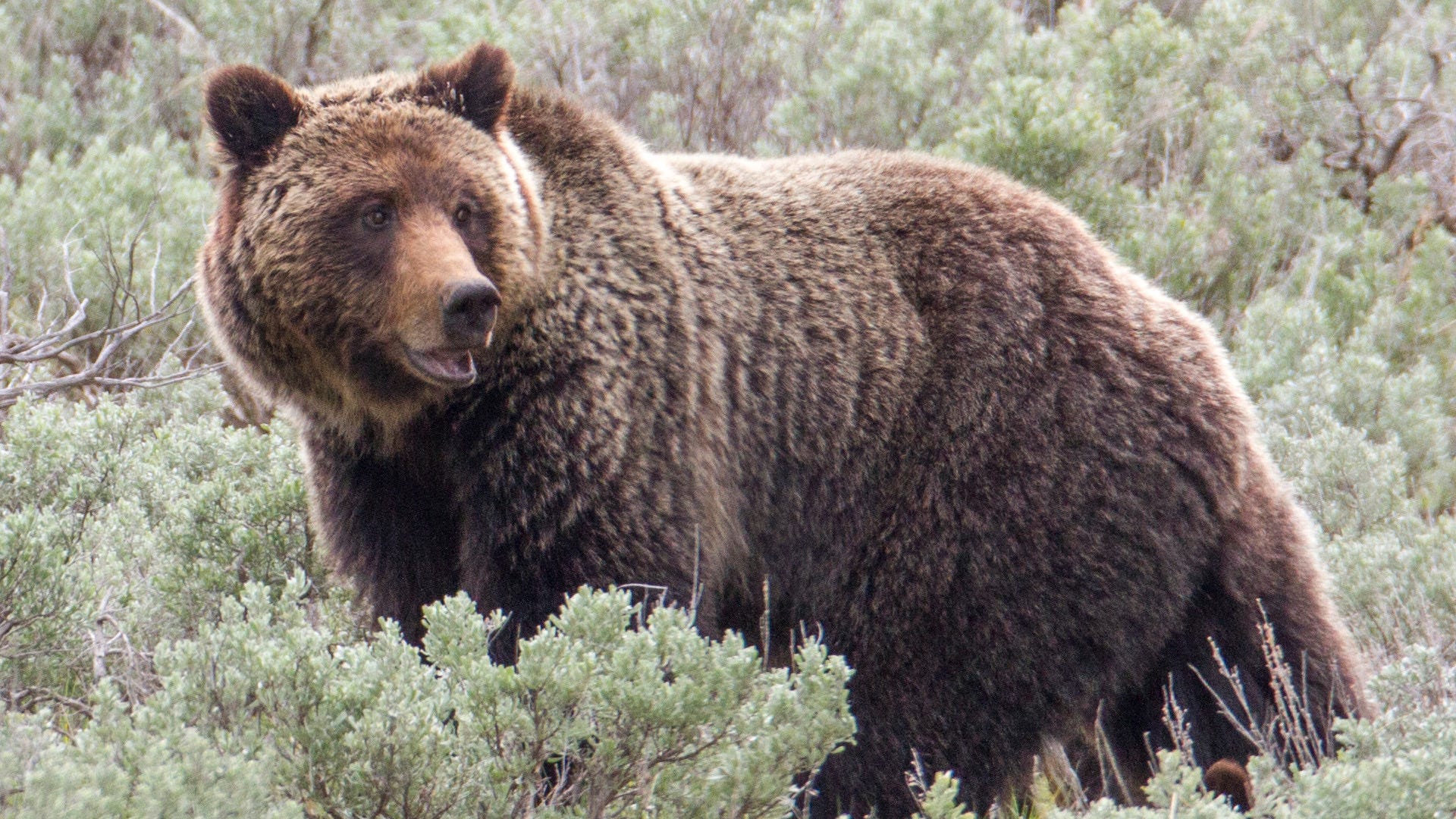
by David Stalling
I have spent a large part of my life in grizzly country.
Not driving through it. Not reading about it from a comfortable chair. Living in it. Hiking in it. Backpacking in it. Hunting, fishing, photographing, observing, and wandering through it.
I have spent countless days and nights alone in remote, wild country where grizzly bears still roam free. I have watched them feed, travel, rest, raise cubs, dig dens, emerge from dens, avoid conflict, and go about the business of being bears. And after all those years, one thing has become abundantly clear: Most people who fear grizzlies know very little about them.
The loudest opinions almost always come from the people with the least experience. They speak with absolute certainty about what they think grizzlies are and how dangerous they supposedly are. Some insist that anyone who doesn't share their fear must have never encountered a "real grizzly."
I always find that amusing.
Because the people making those claims rarely understand the first thing about these animals. They assume that living somewhere bears exist automatically makes them experts. As if knowledge seeps into a person through the ground beneath their boots. As if proximity alone creates understanding. It doesn’t.
Time does. Observation does. Curiosity does. An open mind does. Humility does.
The truth is that grizzly bears are not what most people imagine them to be. They are not bloodthirsty monsters lurking behind every tree. They are not searching for confrontations with humans. They are not waiting for opportunities to attack. In fact, after decades of watching them, I would argue the opposite. Most grizzlies want exactly what most wildlife wants: to be left alone. They want to feed. They want to raise their young. They want to move through the landscape without being harassed, threatened, displaced, or killed.
They want to live their lives as grizzlies, not as characters in the exaggerated fears and fantasies of people who rarely spend time around them.
Are grizzlies powerful? Without question. Can they be dangerous? Of course. Any wild animal capable of defending itself deserves caution and respect. But danger is not the defining characteristic of a grizzly bear.
Power is. Intelligence is. Restraint is.
What has always struck me most is not how often grizzlies attack people. It is how often they choose not to. Every year, countless encounters occur where bears simply walk away. They detect us long before we ever know they are there. They change direction. They avoid contact. They disappear into the timber. Most people never even realize the bear was present.
That reality does not fit the popular narrative, so it is largely ignored. Fear sells. Understanding does not.
Perhaps what is most difficult for me to understand is how anyone who has truly spent time around wild grizzlies can come away viewing them with anything but respect and admiration.
To be in the presence of grizzlies in their own world is a humbling experience. You realize immediately that you are in the presence of something ancient. Something that existed long before your arrival and, if we make the right decisions, will exist long after you're gone.
Grizzlies carry themselves with a confidence that requires no display. They have no need to prove anything. No need to dominate. No need to announce their importance. They simply are.
There are lessons in that.
Yet humility and respect is the one thing we consistently fail to offer them. Instead of asking how we can coexist, we ask how much more we can take from them.
We stab more roads through the heart of what little we’ve left for them. More development. More resource extraction. More fragmentation. More intrusion into the increasingly small pockets of habitat they still occupy. Then we act surprised when conflicts occur.
Across the continuous 48, states, grizzlies occupy only a tiny fraction of the territory they once inhabited. They did not lose that habitat accidentally. We took it.
We poisoned bears. Trapped them. Shot them. Eradicated them from one ecosystem after another. We pushed them to the edge of extinction and then congratulated ourselves for allowing a few isolated populations to survive. Even now, that seems insufficient for some people.
People want them removed from the federal Endangered Species List. They want management turned over to predator-hating states that are slaughtering wolves. They demand hunting seasons for grizzlies. They still argue that bears need to be killed to teach them to "respect humans." The arrogance of that statement reveals a profound misunderstanding of both bears and respect.
Grizzlies don’t need to respect you. The wilderness is not a contest for dominance. Bears are not challenging your authority. They are not plotting against humanity. They are not measuring themselves against your ego. They are simply trying to survive.
The desire to kill an animal in order to force submission is not respect. It is insecurity disguised as strength.
For thousands of years, Indigenous peoples shared these landscapes with grizzlies. They understood something modern society often forgets: coexistence begins with respect, not domination.
Not everything wild must be conquered before it is allowed to exist. Not every powerful creature needs to be reduced to a trophy. Not every challenge requires a trigger.
Grizzlies are intelligent animals with individual personalities, remarkable memories, and complex lives. They are adaptable, resilient, and often far more tolerant of our presence than we are of theirs. They are not obstacles. They are not problems. They are not targets. They are among the last living symbols of genuine wildness left on this continent.
And perhaps that is exactly why they make some people uncomfortable.
Grizzlies are a reminder that we are not the center of the natural world. They are reminders that there are still places where nature does not answer to us.
They are reminders that true power exists beyond human control.
Some of us see that and feel awe. Others see it and feel threatened.
The grizzly is not the problem. Our need to dominate everything is.
After all these years in bear country, one of the many lessons I have learned is not fear. It is humility. The lesson is that strength does not require aggression. Power does not require domination. And respect is not something we demand. It is something we earn. Grizzlies have shown extraordinary patience with us despite everything we have done to them.
They need space. They need connected habitat. They need protection. Most of all, they need what they have always deserved and what we have too often refused to provide:
Respect.
Just this morning, I was chatting with a colleague who expressed alarm that I’m about to go backpacking in Alaska, where we are likely to encounter bears. I made some of the points you made. The truth is less exciting than the caricatures of bears that people cling to. But it is nonetheless true.
David, everything you say about Grizzly I agree with and decades of experience has taught me to be true.
Grizzlies are remarkably tolerant of human stupidity.
Humans could learn a lot about tolerance from grizzlies.
To me, they are merely the neighbours…and damn fine neighbours at that.
Grizzly country is the best of neighbourhoods.